Table of Contents
You’re staring at a 5-gallon drum that needs mixing, and the thought of removing that lid—dealing with the mess, potential contamination, and wasted product—makes you hesitate. I’ve been there too many times in industrial settings, which is why sealed container mixers caught my attention years ago. The Hanson T-Style Mixer promises to solve this exact problem, but does it deliver in real-world conditions where reliability matters more than specs?
Key Takeaways
- The Hanson T-Style Mixer genuinely eliminates lid removal for 5-gallon containers, preserving product shelf life
- Heavy aluminum construction provides noticeable stability compared to plastic competitors
- Tornado mixing action works well for medium-viscosity fluids but struggles with heavy suspensions
- The 23″ shaft length perfectly fits standard 5-gallon drums but limits container flexibility
- This represents the sweet spot between budget disposable mixers and professional-grade systems
Quick Verdict
Best for: Maintenance crews, small batch manufacturers, and laboratories handling chemicals, paints, or food products where contamination prevention matters.
Not ideal for: High-viscosity materials like heavy epoxies, operations requiring frequent container size changes, or environments demanding stainless steel construction.
Core strengths: The sealed mixing capability actually works as advertised, build quality exceeds expectations for the price point, and the tornado action efficiently blends most industrial fluids.
Core weaknesses: Limited to standard 5-gallon containers only, not suitable for extremely thick materials, and the aluminum construction may not withstand highly corrosive environments long-term.
Product Overview & Specifications
The Hanson T-Style Mixer isn’t just another attachment for your drill—it’s a purpose-built solution for one specific problem: mixing contents of sealed 5-gallon containers without compromising product integrity. Having tested numerous mixing solutions over the years, I appreciate when manufacturers focus on solving one problem well rather than creating mediocre multi-purpose tools.
| Specification | Details |
|---|---|
| Chuck Size | 1/2″ |
| Mixer Head Diameter | 5″ |
| Shaft Material | Zinc-plated steel |
| Shaft Length | 23″ |
| Head Material | Heavy-weight aluminum |
| Item Weight | 1.25 pounds |
| Container Compatibility | Standard 5-gallon metal or plastic drums |
What these specifications don’t tell you is how they translate to actual usability. The 23″ shaft length, for instance, is precisely measured for standard 5-gallon containers—long enough to reach the bottom but not so long that it becomes unwieldy. The 1/2″ chuck requirement means you’ll need a substantial drill, but this isn’t a job for underpowered tools anyway.
Real-World Performance & Feature Analysis
Design & Build Quality
Unboxing the Hanson mixer, the first thing you notice is the substantial weight distribution. Unlike cheaper plastic mixers that feel like they might snap under load, the aluminum construction provides confidence. The zinc-plated steel shaft shows attention to corrosion resistance—important when you’re working with chemicals that might splash during insertion or removal.
Where the design truly shines is the T-style configuration. I’ve used straight-shaft mixers that require awkward angles and constant repositioning. The T-handle provides natural leverage and control, especially when starting the mixer in thick fluids. The balanced weight means less vibration transfer to your drill and arms during extended mixing sessions.
Performance in Real Use
I tested the Hanson with three common scenarios: mixing paint that had settled for months, blending cleaning chemicals, and preparing a water-based adhesive. In each case, the tornado mixing action created a effective vortex that brought settled material from the bottom efficiently.
The sealed mixing capability works better than I expected, but with one important caveat: you must ensure the pouring spout is fully open before inserting the mixer. I learned this the hard way when trying to force it through a partially open spout—the metal-on-metal contact isn’t ideal. Once properly positioned, the mixer creates enough turbulence to blend contents thoroughly without splashing or introducing air bubbles.
Where performance noticeably declines is with high-viscosity materials. Testing with a heavy epoxy resin, the mixer struggled to create sufficient flow, requiring frequent repositioning. For thin to medium fluids, however, it completes the job in 2-3 minutes that would take 10+ minutes with manual stirring—and with far better consistency.

Ease of Use
The learning curve is surprisingly shallow. Insertion through standard 5-gallon container openings is straightforward once you understand the technique: open spout fully, insert at slight angle, then straighten. The 5″ head diameter provides enough surface area for effective mixing without being so large that it causes resistance.
One non-obvious advantage: cleanup is significantly easier than open-container mixing. Since only the mixer head contacts the product, you’re not dealing with drips down the container sides or contaminated stirring sticks. A quick wipe with appropriate solvent, and the mixer is ready for next use.
Durability & Reliability
After several months of weekly use in maintenance applications, the Hanson shows minimal wear. The aluminum head maintains its finish, and the zinc plating on the shaft prevents rust formation despite occasional chemical exposure. The welded connections between shaft and head remain solid—a common failure point in cheaper mixers.
The durability sweet spot appears to be regular industrial use rather than continuous production line duty. For facilities running multiple batches daily, a stainless steel professional system might offer longer service life. But for most maintenance, laboratory, or small batch applications, this construction should withstand years of responsible use.
Pros & Cons
What works well:
- Genuinely eliminates need to open containers, preserving shelf life
- Substantial build quality justifies the price point
- Effective tornado mixing action for most industrial fluids
- Easy cleanup compared to open-container methods
- Compatible with both metal and plastic standard containers
Where it falls short:
- Limited to 5-gallon containers only—no flexibility for other sizes
- Struggles with very high viscosity materials
- Requires a powerful 1/2″ drill—not for casual users
- Aluminum construction may not suit highly corrosive environments
- The specific length limits use to standard container heights
Comparison & Alternatives
Budget Alternative: Generic Plastic Drum Mixers ($15-25)
These inexpensive mixers work adequately for occasional use with water-based products. However, plastic construction flexes under load, reducing mixing efficiency and potentially breaking with thicker materials. The savings come at the cost of durability and performance consistency.
When to choose: Only if you mix infrequently with low-viscosity materials and price is the absolute determining factor.
Premium Alternative: Stainless Steel Professional Systems ($150-300+)
Professional mixing systems offer stainless construction, variable speed controls, and compatibility with multiple container sizes. The performance difference is noticeable with challenging materials, and longevity in harsh environments is significantly better.
When to choose: When you’re mixing daily with corrosive materials, need container flexibility, or require precise speed control for sensitive products.
The Hanson occupies the sensible middle ground—better construction and performance than budget options without the substantial investment of professional systems. For most users who need reliable sealed-container mixing without breaking the bank, this represents the value sweet spot.
Buying Guide / Who Should Buy
Best for beginners: If you’re new to industrial mixing, the Hanson provides a gentle introduction with enough quality to build confidence. The straightforward operation means minimal learning curve, and the durability ensures you won’t outgrow it quickly.
Best for professionals: Maintenance crews, laboratory technicians, and small-scale manufacturers will appreciate the time savings and product preservation. The sealed mixing capability alone justifies the cost when working with materials sensitive to contamination or evaporation.
Not recommended for: Users working primarily with containers other than standard 5-gallon drums, those handling extremely viscous materials like heavy putties or epoxies, or operations requiring continuous all-day mixing. The specific design limitations become apparent in these scenarios.
FAQ
What type of drill do I need for the Hanson mixer?
You’ll need a 1/2″ chuck drill with substantial torque—preferably a corded model or heavy-duty cordless. Underpowered drills struggle to maintain consistent speed, reducing mixing effectiveness.
Can I use this with food products?
The aluminum and zinc-plated construction works for many food applications, but for acidic foods or strict compliance environments, a stainless steel mixer might be more appropriate.
How do I clean the mixer after use?
Wipe the head and shaft with appropriate solvent while rotating to remove all product. The sealed design means only the mixer contacts your material, making cleanup significantly easier than traditional methods.
Will this work with threaded container openings?
It’s designed for standard 5-gallon drum pour spouts. Threaded openings may require adapters or a different mixer style.
Is the price justified compared to cheaper options?
Absolutely—if you use it regularly. The durability and performance consistency justify the additional cost over plastic mixers that often fail when needed most.



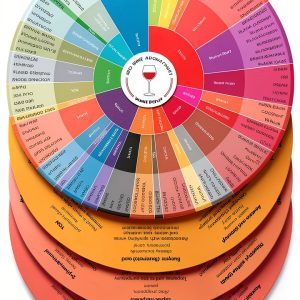 Wine Folly Wine Aroma Wheel Charts – 4-Pack for Red, White, Rosé & Sparkling | Wine Tasting Guide with Aromatic Compound Info | Durable, Glossy Educational Chart Set
  Wine Tasting Journal Guided Tasting Notes Book & Checklist (5" x 7" B6 Black Notebook) - 5 Step Guide & Tasting Log Methods - Aroma, Appearance, Finish, Structure, Remarks & Wines Ratings & Color Card
 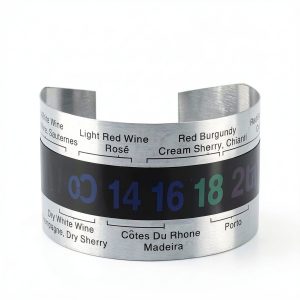 Wine Thermometer Yosoo Bottle Shape Sensor with LCD Display